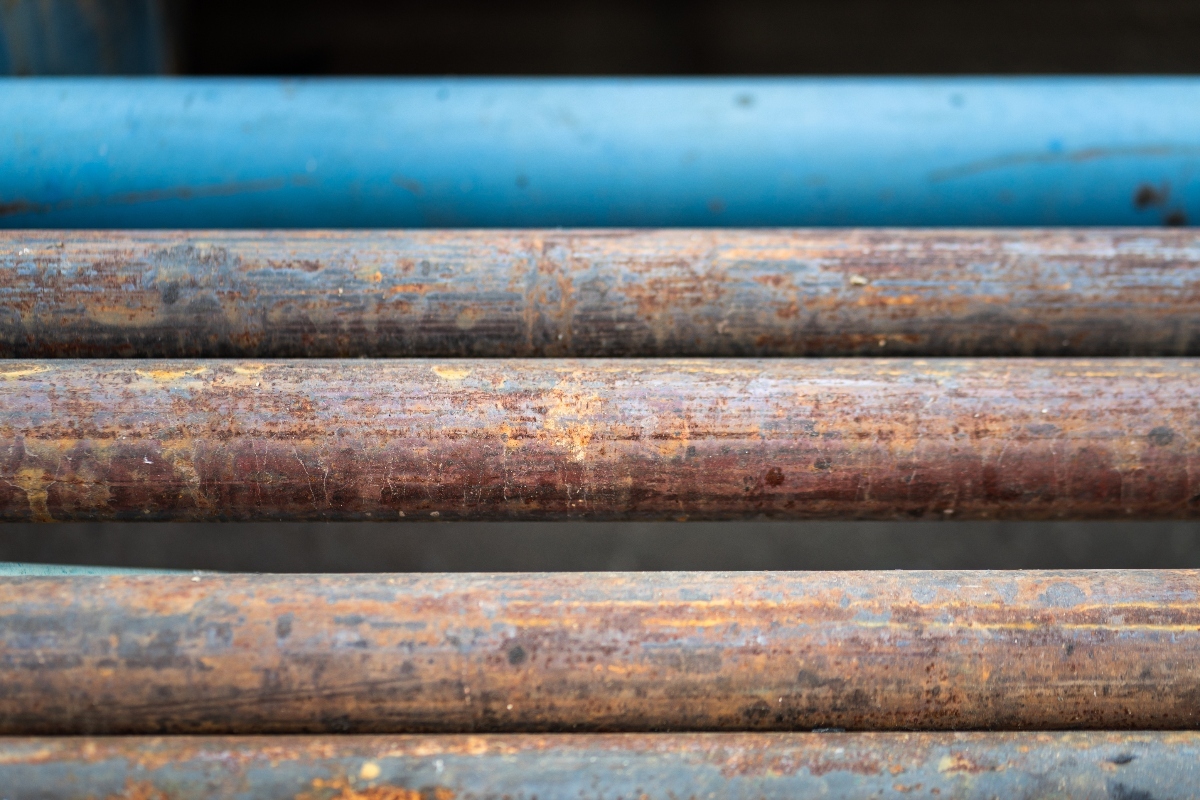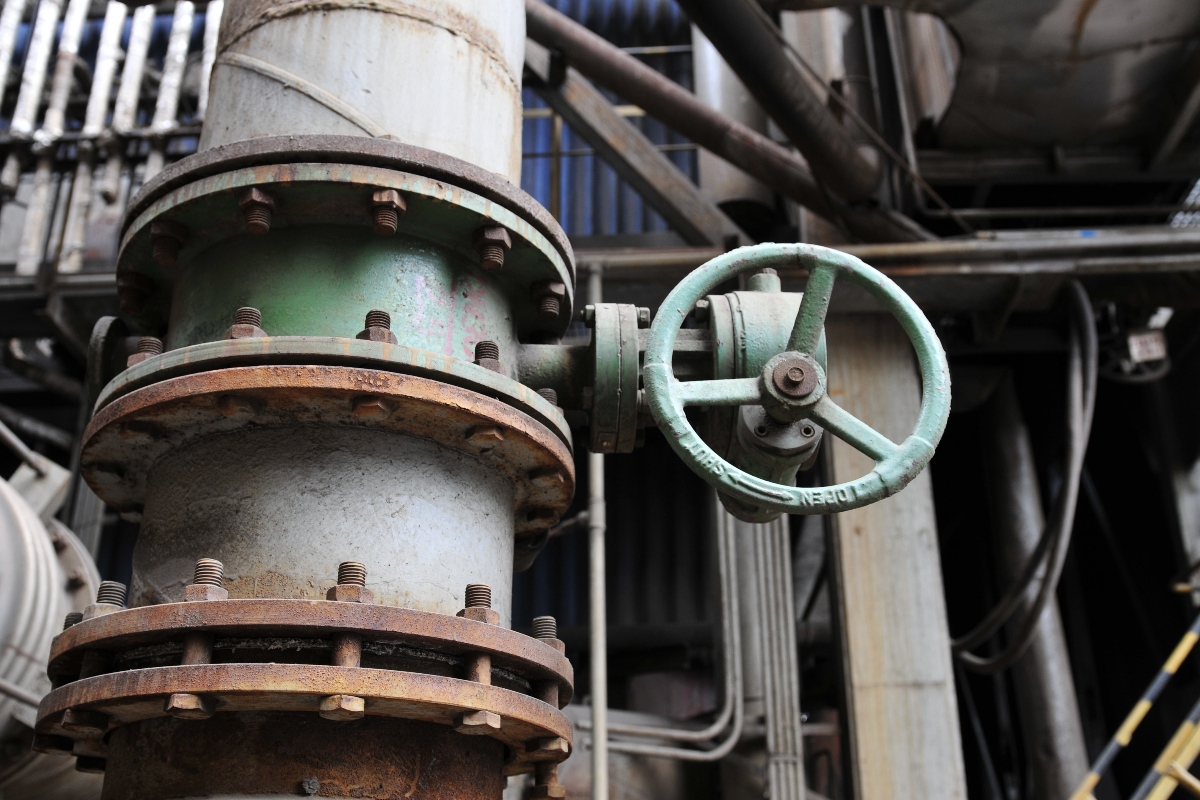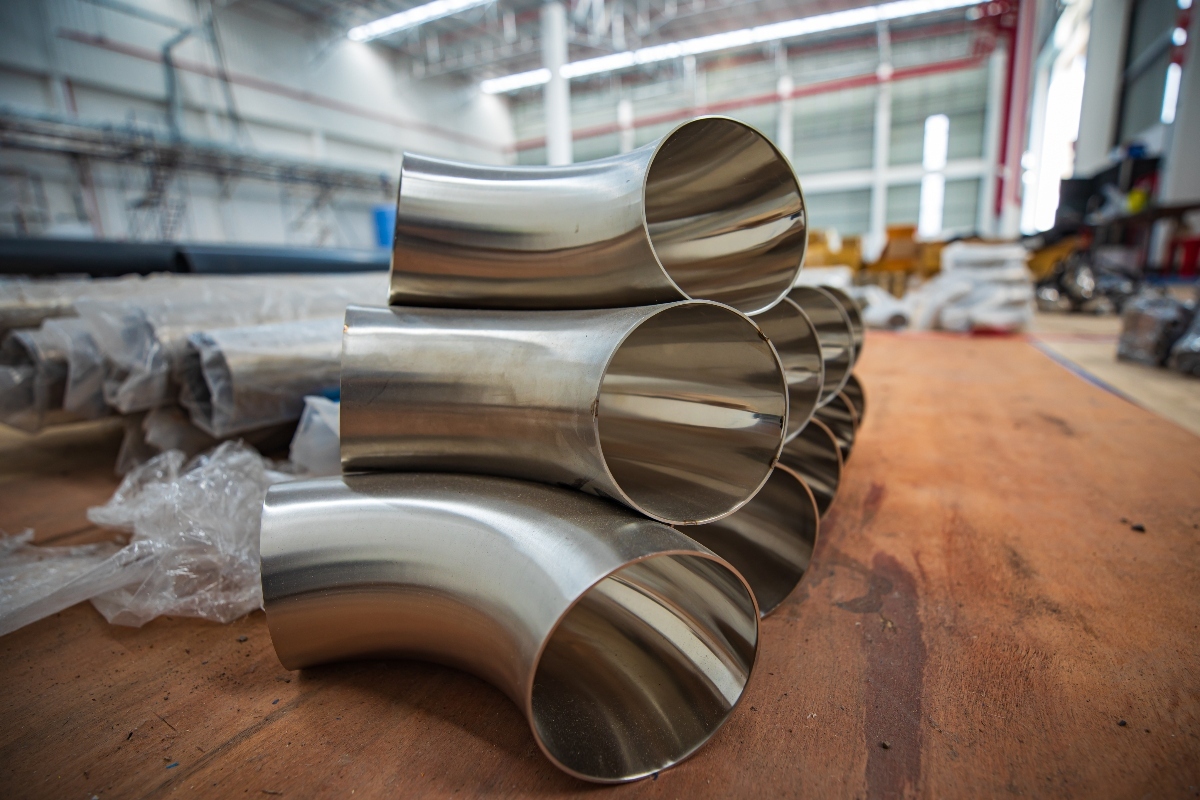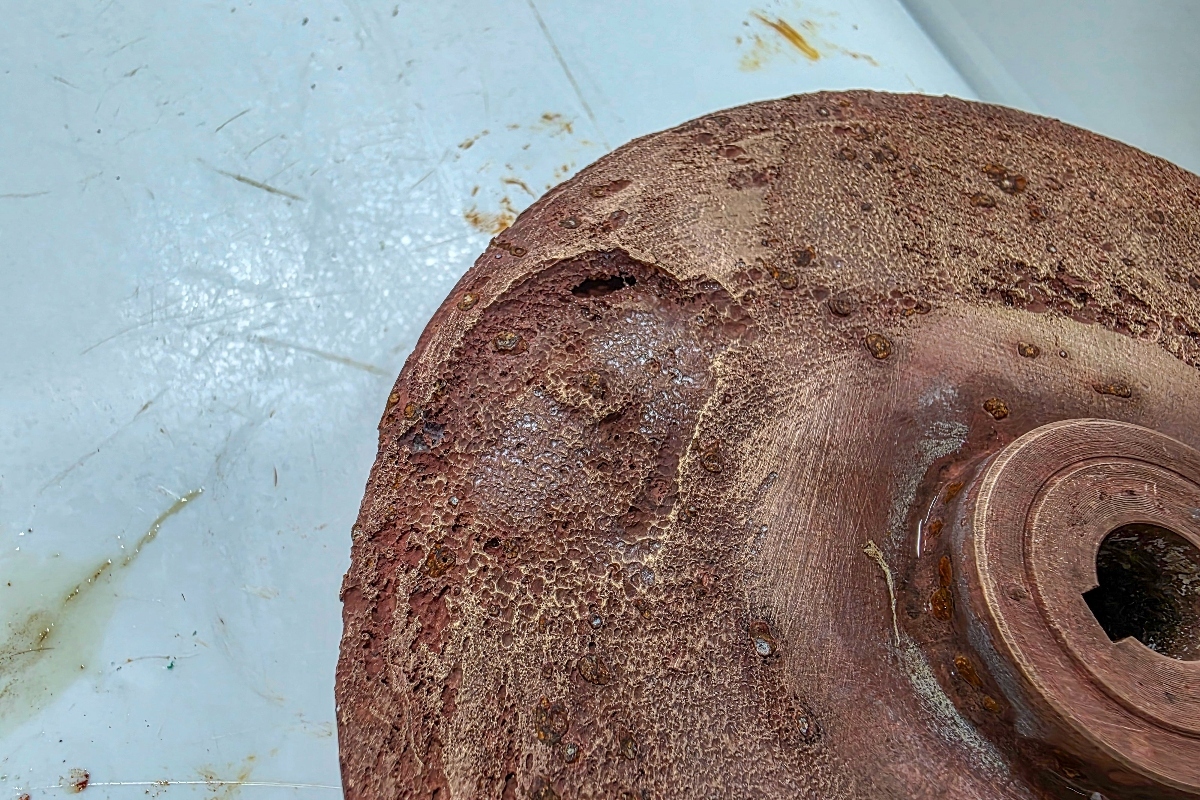
In industries where corrosion, reliability and long service life are critical, surface condition is everything. Stainless steel is often selected for its corrosion resistance, but that resistance depends heavily on what’s happening at the surface. That’s where passivation comes in.
Passivation is a controlled chemical process used to clean and stabilise stainless steel surfaces, enabling them to perform as intended in demanding environments. In this guide, we’ll explain exactly what the passivation process involves, how it works, and why it plays such a vital role in modern engineering applications.
What is passivation?
Passivation is a chemical treatment that removes surface contamination (particularly free iron) and promotes the formation of a uniform, protective oxide layer on stainless steel.
This thin oxide film (primarily chromium oxide) is what gives stainless steel its corrosion resistance. While it forms naturally, manufacturing processes such as machining, welding or handling can disrupt or contaminate the surface, reducing its effectiveness.
Passivation restores and enhances this protective layer, ensuring consistent corrosion resistance across the entire component.
Why is passivation important?
Without proper passivation, even high-grade stainless steel can suffer from:
- Premature corrosion and pitting
- Surface staining or “tea staining”
- Reduced service life
- Increased maintenance requirements
Free iron contamination is a common cause of these issues. Introduced during machining or fabrication, it can act as a corrosion initiation point if not removed. Passivation eliminates this risk by:
- Removing iron and surface contaminants
- Supporting the formation of a stable passive layer
- Creating a chemically clean, corrosion-resistant surface
This leads to a component that performs reliably in aggressive environments from offshore systems to aerospace assemblies.
The passivation process - step by step
Whilst exact specifications vary depending on standards and applications, most industrial passivation processes follow a similar sequence.
1. Pre-cleaning and degreasing
Before passivation begins, components must be thoroughly cleaned to remove oils, greases and residues. Any remaining contamination can interfere with the chemical reaction and lead to inconsistent results. This includes vapour degreasing for organic contaminants and electrolytic alkaline cleaning for water-soluble residues. Together, these processes ensure the surface is fully prepared for passivation.
2. Acid treatment (passivation stage)
The component is immersed in an acid solution (typically nitric acid or citric acid) under tightly controlled conditions. During this stage:
- Free iron is dissolved and removed
- Surface contaminants are eliminated
- The surface chemistry is altered to favour oxide layer formation
This is the core of the passivation process and must be carefully controlled to ensure consistency and compliance with industry standards.
3. Rinsing and neutralisation
After acid treatment, the component is thoroughly rinsed to remove any residual chemicals. In some cases, neutralisation is also applied to stabilise the surface and prevent chemical carryover.
4. Drying and verification
The final stage ensures the component is clean, dry and ready for service or further processing. Verification methods may include water immersion testing, salt spray testing or copper sulphate testing. These tests confirm that free iron has been removed and that the passive layer is functioning correctly.
Passivation as part of a complete surface engineering process
Whilst passivation delivers significant benefits on its own, its true value is realised when integrated into a broader surface treatment system. For example:
- Cleaning and degreasing ensures complete contaminant removal
- Passivation stabilises the surface and improves corrosion resistance
- Subsequent treatments (such as nickel strike or advanced coatings) benefit from improved adhesion and consistency
Passivation should be engineered as part of a controlled, multi-stage process designed to maximise component performance, durability and reliability across demanding applications.
Hardide’s approach to passivation - engineered for performance, not just compliance
- Built on controlled surface preparation: The effectiveness of passivation depends on starting with a truly clean surface, which is why Hardide integrates advanced pre-cleaning processes into every workflow. This includes electrolytic alkaline cleaning to remove water-soluble contaminants and vapour degreasing to eliminate oils and organic residues. Together, these ensure the surface is chemically clean (not just visually clean), creating the ideal conditions for a consistent and effective passivation reaction.
- Precision-controlled process parameters: Hardide’s passivation processes are tightly controlled to ensure consistent removal of free iron and reliable formation of a uniform passive oxide layer. This level of process control enables repeatable results across both high-volume batches and complex, high-value components, which is critical in industries like aerospace, energy and defence where surface integrity directly impacts performance and compliance.
- Designed for complex geometries: Many components requiring passivation feature internal channels, threads, blind bores and non-uniform surfaces. Hardide’s processes are engineered to treat all surfaces evenly, including non-line-of-sight areas, ensuring corrosion resistance is applied consistently across the entire component rather than just accessible external areas.
- Enabling coating performance and longevity: Passivation plays a key role in preparing components for subsequent treatments, particularly advanced coatings. By stabilising the surface and promoting a uniform oxide layer, the process improves coating adhesion, reduces the risk of under-film corrosion and helps prevent premature coating failure, making it a critical step in achieving long-term performance.
- Flexible integration or standalone service: Hardide offers passivation both as a standalone service and as part of a fully integrated surface engineering process. This flexibility allows customers to access targeted corrosion protection or benefit from a complete, multi-stage treatment approach designed to maximise component durability and reliability.
At Hardide, acid passivation is delivered as a tightly controlled, repeatable process engineered for aerospace, energy and industrial applications. Available as a standalone service or fully integrated with our advanced CVD coatings, it ensures surfaces are clean, corrosion-resistant and optimised for long-term performance in demanding environments. Click below to find out more about our additional services.