Low-alloy steel reaches its performance limit as its surface cannot withstand erosion, abrasion and sliding wear in harsh environments, rather than the material failing structurally. In most cases, replacing the bulk material is unnecessary. Instead, engineering the surface with advanced coatings (such as CVD tungsten carbide) provides a more effective, lower-cost solution that extends component life and improves reliability.
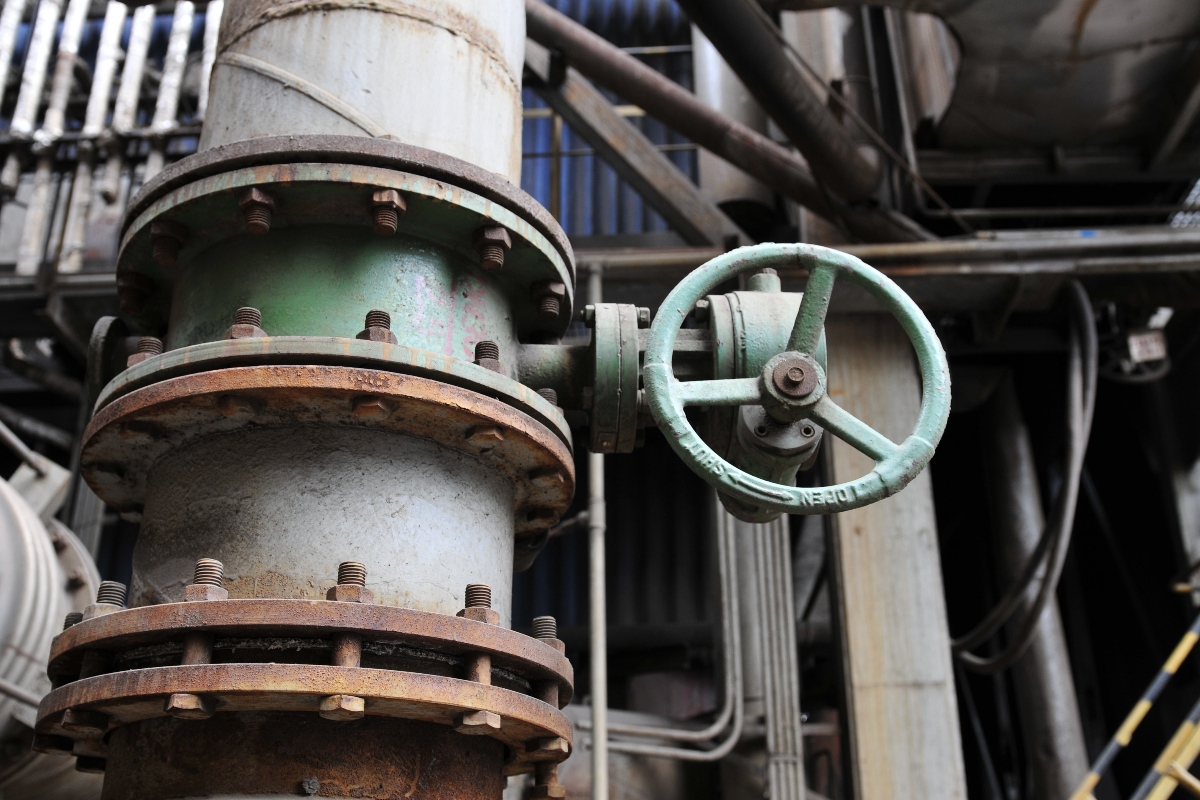
Low-alloy steel remains one of the most widely used engineering materials due to its strength, machinability and cost-efficiency. However, in demanding environments such as oil and gas, power generation and industrial processing, surface-driven wear mechanisms gradually reduce performance, often without obvious early warning signs.
Where the real problem begins for low-alloy steel
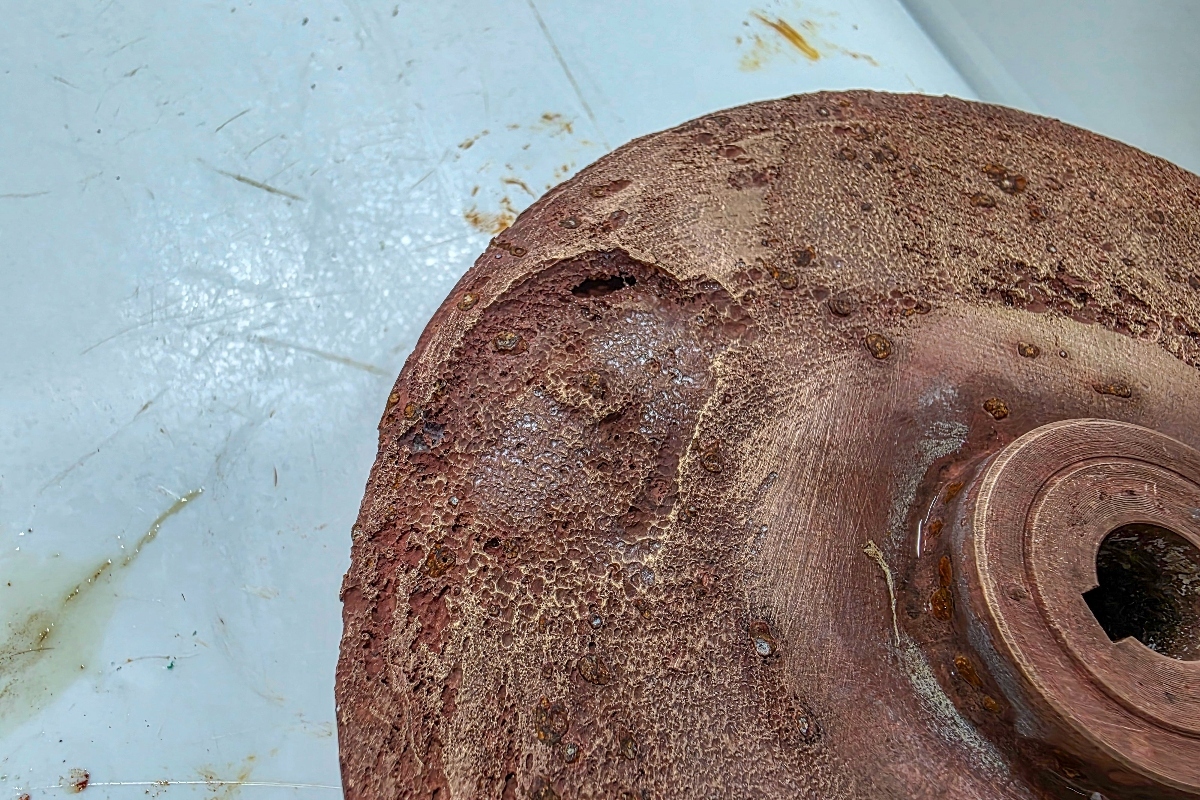
Low-alloy steel components typically fail due to surface degradation, not bulk material failure. Even when the core structure remains intact, the surface is continuously exposed to aggressive conditions. Over time, three key wear mechanisms dominate:
- Abrasion: Hard particles (e.g. sand or debris) remove material through micro-cutting and ploughing
- Erosion: High-velocity particles or droplets impact the surface, causing localised fatigue and material loss
- Sliding wear: Contact between moving surfaces leads to friction, adhesion, galling or seizure
These mechanisms interact and accelerate each other, creating a compounding degradation effect. For example, abrasion roughens the surface and then increases erosion sensitivity, whereas erosion introduces micro-cracks and then promotes fatigue under sliding contact.
The instinct to upgrade and its limitations
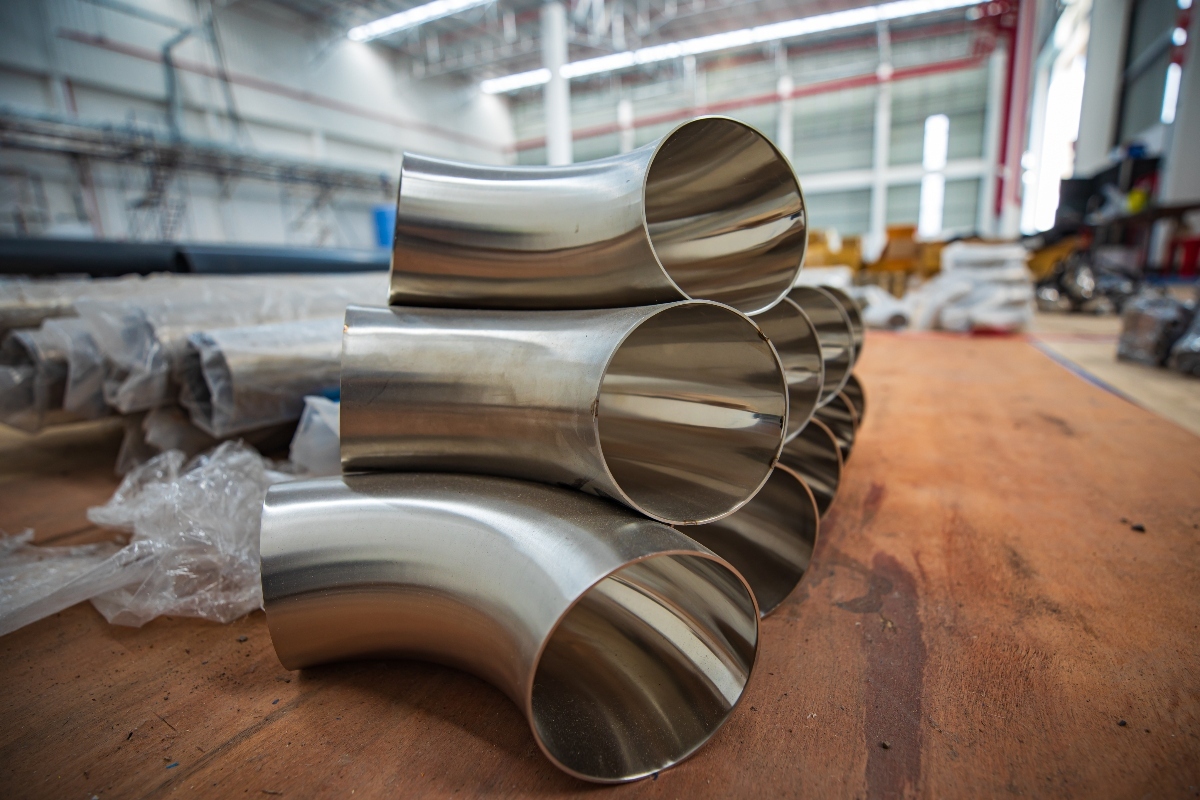
When faced with these challenges, many engineers look to upgrade the base material. Moving from low-alloy steel to stainless steel, duplex alloys or nickel-based materials can seem like a logical step. These materials offer improved corrosion resistance and, in some cases, enhanced mechanical properties. However, this approach often introduces a new set of trade-offs.
Material upgrades can significantly increase cost, extend lead times and complicate supply chains. In regulated industries, they may also require requalification, adding further time and expense. More importantly, upgrading the bulk material does not always address the underlying issue as the problem is not necessarily the material itself, but how its surface behaves under stress. In many cases, failure is still surface-initiated, regardless of how advanced the base material may be.
A more precise way to solve the problem
A more effective approach is to focus directly on the source of failure, which is the surface. Rather than replacing the material entirely, surface engineering allows engineers to enhance the performance of low-alloy steel where it is most vulnerable. This shift in thinking( from bulk material selection to surface optimisation) opens up a different set of possibilities.
Instead of asking, “Which material can withstand this environment?”, the question becomes: “How can we make this surface capable of withstanding it?”
Why conventional coatings don’t always deliver
Traditional coating technologies have long been used to address wear. Hard chrome plating and thermal spray coatings, for example, can improve hardness and provide a degree of protection. Yet in more demanding applications, their limitations become increasingly apparent. These limitations tend to follow a familiar pattern:
- Coatings applied using line-of-sight processes struggle to reach internal surfaces, leaving critical areas exposed
- Porosity and micro-cracking can create pathways for corrosive media, undermining long-term performance
- Some coatings rely on binder phases that degrade over time, leading to uneven wear and increasingly abrasive surfaces
- Achieving the required surface finish often involves additional grinding or machining, adding complexity and cost
Redefining what’s possible with surface engineering
Advances in coating technology have made it possible to address these challenges in a more fundamental way. Chemical Vapour Deposition (CVD) tungsten carbide coatings, for example, are applied in a manner that is entirely different from traditional methods.
Rather than being sprayed or plated onto a surface, the coating is formed atom-by-atom from a gas phase, creating a dense, uniform layer that is metallurgically bonded to the substrate. This results in a coating that is not only hard, but also tough, crack-resistant and effectively pore-free.
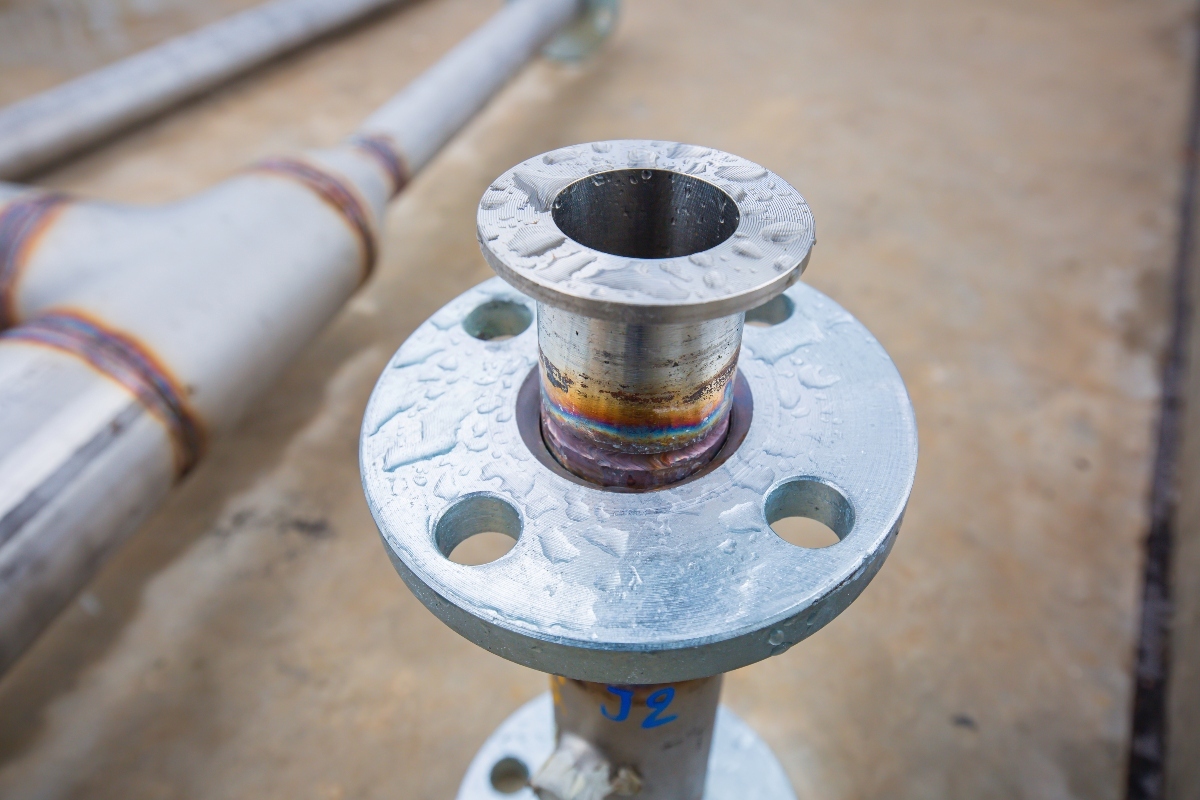
What sets this approach apart is the properties of the coating as well as how consistently those properties can be applied. Because the process is not limited by line-of-sight, it enables uniform coverage across all exposed surfaces, including internal bores, threads and complex geometries. These are often the very areas where wear begins and where conventional coatings fall short. This results in a coating that combines:
- High hardness (up to 1600 Hv)
- Exceptional toughness and crack resistance
- Strong adhesion (>70 MPa bond strength)
- Zero porosity for corrosion protection
What performance improvements can be expected?
Engineering the surface with CVD coatings delivers measurable operational gains. Typical outcomes include:
- Extended component lifespan (often multiples of original life)
- Reduced maintenance frequency
- Lower downtime and operational disruption
- Improved efficiency through smoother surfaces
- Reduced risk of galling and seizure
In testing, CVD tungsten carbide coatings have demonstrated:
- Up to 250× improvement in wear resistance
- Up to 24× better abrasion resistance than hard chrome
- Significantly improved erosion resistance in high-velocity environments
Rethinking material limits with Hardide
Low-alloy steel doesn’t have to be the weak point in your system. In most applications, it’s the surface that fails first.
Hardide’s CVD tungsten carbide coatings directly address erosion, abrasion and sliding wear by forming a dense, pore-free, metallurgically bonded layer across all surfaces—internal and external.
The result is longer-lasting components, fewer maintenance interventions and significantly improved cost efficiency, without the need to upgrade base materials. Download our guide below to find out more.